

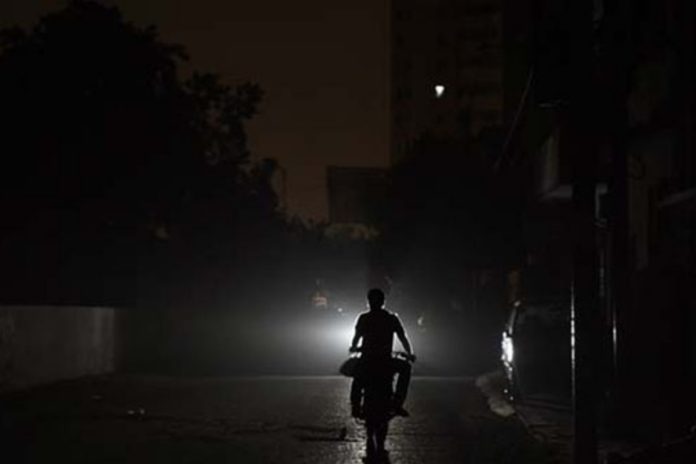
A power shortage of about 4,000 megawatts has led to widespread blackouts across the country, affecting electricity supply in many areas and creating problems for homes, businesses and essential services.
Energy officials said the shortfall has put heavy pressure on the national grid, resulting in unexpected outages and longer periods of load shedding in several urban and rural regions. Many major cities, including key industrial and commercial centers, have faced the worst impact, with power cuts lasting for hours in some places.
Power distribution companies have urged consumers to limit electricity use during peak hours until the situation improves. Businesses have reported production delays, while residents continue to struggle with interruptions to their daily routines due to ongoing outages.
Read Also: Night load shedding returns in Pakistan due to electricity shortfall
In an official statement, the Power Division expressed regret over the need to increase load management, explaining that the situation arose due to lower hydropower generation.
A spokesperson for the division also requested consumers to use electricity carefully, particularly at night, and to adopt energy-saving practices.
The statement followed numerous complaints from different regions of the country about extended load shedding on Tuesday. This came despite earlier assurances that outages would be limited to 2.25 hours to prevent an increase in electricity tariffs.
The spokesperson further explained that the decline in hydropower production happened because of reduced water releases from the country’s dams.
He said hydropower generation dropped by 1,991 megawatts overnight, pushing the electricity shortage to nearly 4,500 megawatts during peak demand.
He also noted that the Indus River System Authority is supplying water to provinces according to current needs, which remain lower than last year. Reduced demand, caused by recent rainfall and the harvest season, has led to lower water releases from reservoirs. As a result, distribution companies have slightly increased load management beyond what was previously planned.