

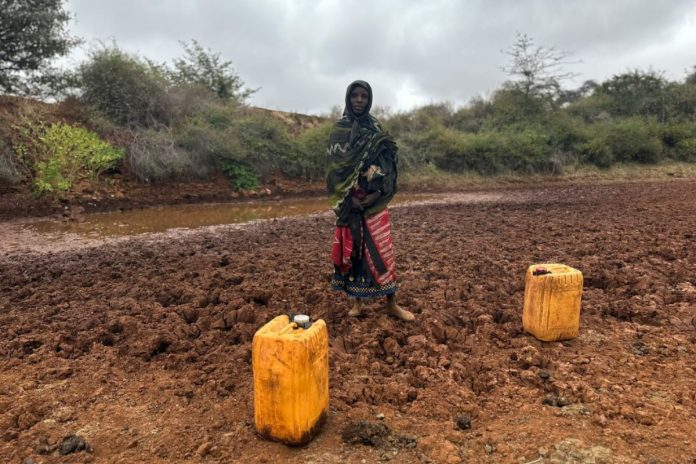
ISLAMABAD: Pakistan has introduced its first National Anticipatory Action Strategy, marking a significant move to improve disaster preparedness and reduce the impact of climate-related emergencies on vulnerable communities across the country.
The strategy focuses on a proactive disaster management approach by using weather forecasts and risk assessments to release funding and take protective measures before disasters strike. Officials said the initiative aims to protect lives, livelihoods and critical infrastructure by prioritizing prevention and preparedness instead of relying mainly on emergency response.
The strategy was developed with technical support from the United Nations World Food Programme (WFP) and the Food and Agriculture Organization of the United Nations (FAO), while the European Union (EU) provided financial assistance. It is part of broader efforts to strengthen early warning systems, improve disaster preparedness and incorporate anticipatory action into national and provincial disaster management plans.
National Disaster Management Authority (NDMA) Chairman Lt Gen Inam Haider Malik said timely preparedness, effective early warning systems and coordinated institutional responses are essential to reducing humanitarian and economic losses caused by climate-induced disasters.
Read Also: SBCA announces major officer reshuffle across Karachi
Pakistan remains among the countries most vulnerable to climate change. Climate-related disasters have caused more than US$18 billion in damage over the past two decades. When the devastating floods of 2010, 2011 and 2022 are included, total losses exceed US$60 billion. The 2025 monsoon floods affected nearly 6.9 million people, while authorities have already warned of possible droughts and flash floods linked to El Niño conditions in 2026.
The benefits of anticipatory action were seen during the 2025 floods in Sindh’s Khairpur district, where 15,000 vulnerable people received cash assistance of PKR50,000 per household before floodwaters reached their peak. The financial support allowed families to buy food and other essential supplies, evacuate safely and protect their livestock and household belongings before the flooding began.
The initiative has also improved risk assessment, contingency planning and emergency simulation exercises involving national, provincial and district authorities, with a particular focus on Sindh and Balochistan.
Officials said research shows that every dollar invested in anticipatory action can prevent up to seven dollars in future disaster losses, making early preparedness both a humanitarian necessity and a cost-effective investment.
Going forward, the government plans to strengthen coordination among provincial disaster management authorities and establish financial systems that can release emergency funds before disasters occur.
Development partners, including the European Union and Germany’s development agency GIZ, are supporting these efforts to ensure early warnings lead to timely action and stronger resilience against future climate-related disasters.