

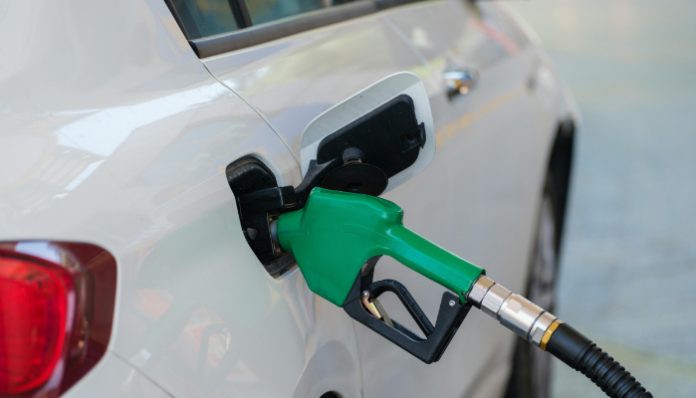
The federal government is reportedly considering a new nationwide fuel-saving plan that could limit the working week to four days, with three days off, as authorities explore measures to reduce petroleum consumption amid rising global oil prices.
Under the proposed “smart petroleum lockdown”, government and private offices, schools, colleges and universities could operate for four days a week and remain closed for the other three days. The plan is aimed at cutting daily commuting, reducing transport activity and lowering overall fuel consumption.
The proposal comes at a time when global oil markets are facing pressure due to disruptions in energy supplies from the Middle East. The US Energy Information Administration has also increased its oil price forecasts for 2026, pointing to falling global inventories and major supply disruptions caused by the ongoing regional conflict. Brent crude prices have recently crossed the $100 per barrel level amid market uncertainty.
Read Also: Punjab govt launches thermal drones to monitor pollution
Pakistan had already introduced a four-day workweek and other austerity measures earlier this year as part of an emergency fuel conservation effort. A notification issued by the Cabinet Division in March 2026 allowed a four-day workweek and work-from-home arrangements for public sector employees, with exceptions for law enforcement and other essential services.
The government is once again under pressure as domestic fuel prices continue to increase. According to the latest petroleum price notification listed by OGRA, the current rates took effect from September 12, while petrol and high-speed diesel prices have risen in recent weeks.
However, the reported three-day closure plan has not been officially approved yet. No new government notification confirming a nationwide three-day weekend for offices and educational institutions has been identified in the latest official sources reviewed.
If approved, the proposal could have a major impact on office timings, academic schedules, public transport demand and business activity across the country. It would also represent one of the most significant fuel conservation measures considered in response to the current rise in global oil prices.