

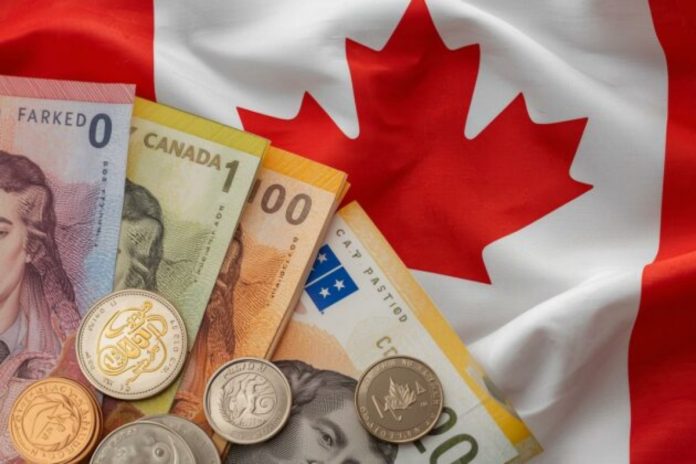
Canada will raise its federal minimum wage to $18.15 per hour starting April 1, 2026, giving a small but meaningful increase for employees in federally regulated industries.
The rise of 40 cents per hour represents a 2.3 percent increase, reflecting the 2025 average inflation rate of 2.1 percent.
The new rate applies to workers in sectors under federal regulation, including banking, telecommunications, aviation, postal services, and interprovincial transport.
Provincial or territorial minimum wages that are higher than the federal rate will continue to take priority.
Since the federal minimum wage was introduced in 2021, it has increased by $3.15 per hour, allowing full-time workers to earn around $6,552 more per year compared to 2021.
Although the increase is modest, it aims to help lower-income employees manage rising living costs for essentials like groceries, utilities, and transportation.
Read Also: Punjab govt schools face teacher shortage during matric exams
Minimum wages across Canada differ by region. Nunavut currently has the highest at $19.75 per hour, while Alberta has the lowest at $15 per hour.
Many workers may already earn more than the federal minimum depending on their province or territory.
The wage adjustment highlights Canada’s continued efforts to protect workers’ purchasing power and support those in federally regulated industries amid inflation.