

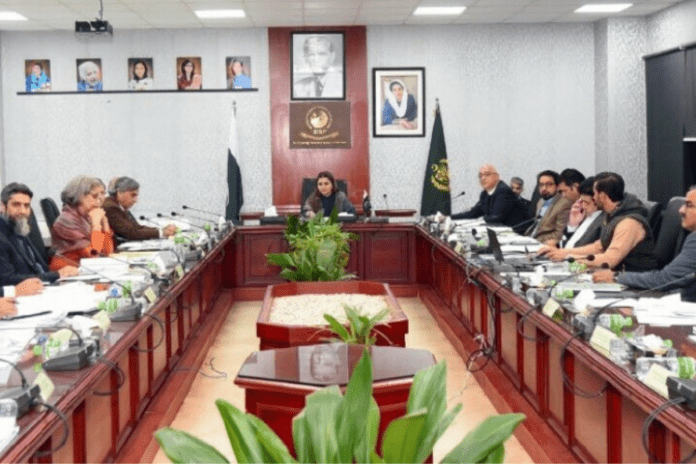
The Benazir Income Support Programme (BISP), one of Pakistan’s largest social safety net initiatives, has taken a significant step forward in promoting inclusivity and equality. As of July 2025, the program has officially enrolled 221 transgender individuals under its Kafalat financial assistance scheme, marking a meaningful milestone in extending support to one of the country’s most marginalized communities.
In this article, we explore the progress made in integrating the transgender community into BISP’s payment system, the application process, eligibility criteria, and the broader social impact of this development.
What is the Benazir Income Support Programme (BISP)?
Launched in 2008, the Benazir Income Support Programme (BISP) aims to provide direct financial aid to low-income families across Pakistan. The program helps reduce poverty, improve household consumption, and enhance women’s empowerment by disbursing unconditional cash transfers primarily to female heads of households.
The BISP Kafalat Program is the core component of this initiative. Beneficiaries receive Rs. 13,500 every quarter to help manage basic living expenses. Payments are made through biometric verification at designated banks, ATMs, or BISP payment centers.
Inclusion of Transgender Individuals in BISP
Recognizing the systemic exclusion and economic vulnerability faced by transgender persons, BISP began efforts to enroll transgender beneficiaries in 2022. By July 2025, the initiative has successfully registered 221 transgender individuals to receive financial support under the Kafalat scheme.
This move reflects a growing awareness within public policy circles of the need for gender-sensitive welfare programs in Pakistan.
Application Process for Transgender Beneficiaries
To apply for the BISP Kafalat Program, transgender individuals must follow a streamlined registration process:
-
Obtain a CNIC from NADRA that clearly identifies their gender as “X” (transgender).
-
Visit the nearest BISP Tehsil Office for registration or wait for mobile registration units in underserved areas.
-
Complete a National Socio-Economic Registry (NSER) survey, which assesses household income and living conditions.
-
Await confirmation of eligibility status via SMS (typically from 8171).
Once approved, beneficiaries receive a payment notification and can collect funds through HBL Konnect, Bank Alfalah, or designated BISP camps after biometric verification.
Eligibility Criteria
-
Must possess a valid transgender CNIC.
-
Must meet the low-income threshold based on the NSER survey.
-
Must not be receiving similar support from overlapping government schemes.
Payment Amount and Method
-
Amount: Rs. 13,500 every quarter.
-
Mode of Payment:
-
Bank ATMs (HBL, Bank Alfalah).
-
Konnect Agents.
-
BISP Payment Camps (in rural areas).
-
-
Verification: Mandatory biometric thumb scan.
Why Transgender Inclusion Matters
Financial Stability
Most transgender individuals in Pakistan face high unemployment rates and limited access to formal income sources. BISP payments offer a lifeline for basic needs, medical expenses, and shelter.
Legal and Social Recognition
Including transgender people in BISP legitimizes their status as equal citizens under the law. It sets a precedent for other welfare and legal reforms to follow suit.
Human Rights and Dignity
Access to social safety nets is a basic human right. This initiative recognizes transgender persons as part of the national social fabric, deserving of dignity and support.
Challenges Still Faced
Despite the progress, multiple barriers hinder full participation:
-
Low Awareness: Many transgender individuals remain unaware of their eligibility or how to apply.
-
NADRA Hurdles: Difficulties in acquiring a CNIC with the correct gender marker persist.
-
Social Discrimination: Fear of harassment at registration centers or payment points discourages some from applying.
-
Digital Divide: Many in the community lack access to smartphones or internet, making online tracking and updates inaccessible.
Recommendations to Improve Inclusivity
-
Mobile Registration Units: Deploy mobile teams to areas with visible transgender populations.
-
Gender-Sensitive Staff Training: Ensure BISP and NADRA officials receive training in respectful, inclusive service delivery.
-
Dedicated Helplines: Create toll-free numbers specifically for transgender applicants to seek guidance or file complaints.
-
Partnerships with NGOs: Work with local organizations that already support transgender rights to facilitate outreach and trust.
-
Awareness Campaigns: Use social media, radio, and community events to educate transgender people about their rights under BISP.
8171 Web Portal for Status Check
Transgender applicants can check their payment status through:
-
8171 Web Portal: 8171.bisp.gov.pk
-
SMS: Send CNIC number to 8171
These tools provide real-time updates on eligibility and disbursement.
Final Thoughts
The inclusion of transgender individuals in the BISP Kafalat Program is more than just a policy update—it is a step toward justice, equity, and human dignity. While challenges remain, this progress signals hope for a more inclusive and fair Pakistan, where every citizen, regardless of gender identity, has access to the support they need to live with dignity.
Continued efforts, collaborative partnerships, and community awareness will be key to building on this foundation. As Pakistan evolves, so must its welfare systems—towards one that leaves no one behind.
Disclaimer:
This article is for informational purposes only. It is not officially affiliated with the Government of Pakistan or the BISP. For the latest updates and official guidance, please visit the official BISP website or consult authorized BISP centers.