

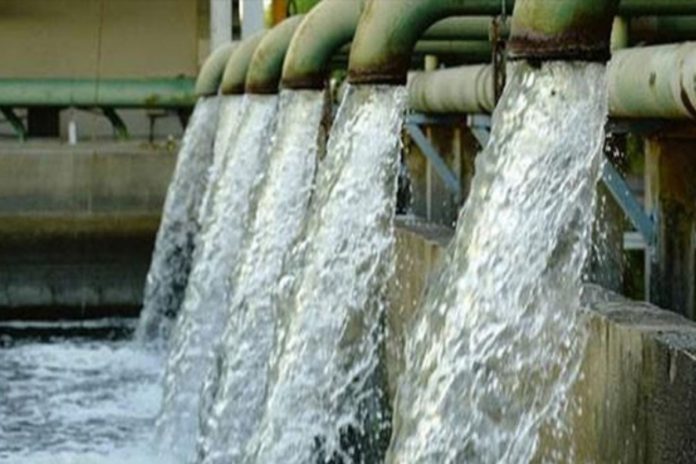
A power outage at the Dhabeji Pumping Station disrupted Karachi’s water supply system on Sunday morning after a cable fault in the K-Electric network cut electricity to several important pumping facilities.
According to the Karachi Water and Sewerage Corporation (KWSC), the outage started at around 6am and affected the Third Phase, Fourth Phase and K-III pump houses at Dhabeji. K-Electric said the interruption was caused by a cable fault in its network.
The power failure forced 10 of the 21 pumps at the Dhabeji facility to stop working, creating the possibility of reduced water supplies in several parts of Karachi.
A KWSC spokesperson said the corporation was in contact with K-Electric officials and was working to have the electricity restored as soon as possible. The affected pumps will be brought back into operation immediately after power is restored.
KWSC said water supplies to the affected areas would gradually return to normal once pumping operations resume.
Read Also: Punjab govt launches thermal drones to monitor pollution
The latest disruption is part of a series of power-related problems at Dhabeji that have previously affected Karachi’s water supply. In August, a cable fault at the pumping station reportedly caused a shortage of around 52 million gallons of water, affecting areas such as Landhi, Korangi, Shah Faisal, DHA, Qayyumabad and Karsaz.
Dhabeji plays a key role in Karachi’s bulk water supply network. KWSC lists the Dhabeji Pumping Station as an operational facility and says work is underway to rehabilitate and upgrade its pumping machinery to improve transmission capacity and minimise downtime.
K-Electric’s service network also covers Dhabeji, and the utility provides an online facility through which customers can check power outages and electricity status in their areas.
For Karachi residents, the main concern is whether the cable fault will be repaired quickly enough to prevent the temporary disruption at the pumping station from turning into a wider water shortage.