

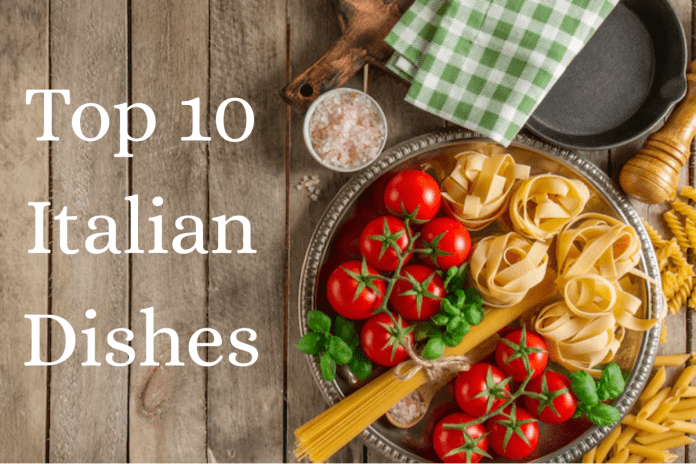
Italian food is more than just food; it’s a way of celebrating life. Italian food is a favourite around the world because it is simple, varies by region, and uses fresh, high-quality ingredients. Italy has something for everyone, from the rich, creamy risottos of the north to the strong, tomato-based flavours of the south.
If you love food, travel, or cooking at home, learning about traditional Italian food means learning about a way of life based on family, freshness, and flavour. Here are the top 10 Italian dishes you need to try, along with information about their history and how to taste them.
Top 10 Italian dishes
1. Pizza Napoletana (Neapolitan Pizza)
Naples (Campania) is the area.
This is the original pizza, made with San Marzano tomatoes, fresh mozzarella di bufala, basil, and a light, chewy crust that was baked in a wood-fired oven.
When to Eat: At a pizzeria, for lunch or dinner
Fun Fact: UNESCO named Neapolitan pizza-making a cultural heritage site in 2017.
2. Lasagna from Bologna
Emilia-Romagna
Description: Flat pasta sheets are stacked with slow-cooked beef ragù, béchamel sauce, and Parmesan cheese, and then the whole thing is baked until it bubbles.
When to Eat: Sunday lunch with the whole family
Cultural Note: The real Bolognese version has very little tomato and focusses on the meat sauce.
3. Risotto alla Milanese
Region: Lombardy (Milan)
Description: This creamy rice dish is made with arborio rice, beef broth, butter, onions, white wine, and saffron, which gives it a golden colour.
When to Eat: Dinner or special events
Did you know that Ossobuco is often served with it? This is one of Milan’s most famous pairings.
4. Carbonara Spaghetti
Region: Lazio (Rome)
No cream is used in this dish, which is made with eggs, Pecorino Romano cheese, guanciale (cured pork cheek), and black pepper.
When to Eat: A quick lunch or dinner that fills you up
Cultural Note: This is a real Roman dish that has nothing to do with cream-based versions found in other places.
5. Ossobuco alla Milanese
Lombardy Region
Braised veal shanks cooked in white wine with vegetables and served with a spicy gremolata made of lemon zest, garlic, and parsley.
When to Eat: Dinner in the winter or on a holiday
Note: For a full Milanese experience, it is usually served with Risotto alla Milanese.
6. Arancini (Fried Rice Balls with Stuffing)
Sicily
Description: Rice balls that are crispy and golden-fried and filled with ragù, mozzarella, and peas, or sometimes mushrooms and cheese.
When to Eat: As a snack, street food, or appetiser
Fun Fact: They got their name from the word “arancia,” which means “orange” in Italian, because of their shape and colour.
7. Potato Gnocchi (Gnocchi di Patate)
Area: All over the country
Description: Soft potato dumplings that melt in your mouth. They are usually served with tomato sauce, pesto, or butter and sage.
When to Eat: The first course (primi) is for lunch or dinner.
Tip: They taste best when they’re freshly made because they’re lighter than the ones you buy at the store.
8. Eggplant Parmesan (Parmigiana di Melanzane)
Location: Southern Italy (Sicily and Campania)
Description: Slices of fried aubergine stacked with tomato sauce, mozzarella and grated cheese, then baked until they are just right.
When to Eat: Dinner with the family or a vegetarian option
Interesting Fact: Even though there are arguments about it, it probably started in Naples, not Parma.
9. Tiramisu
Area: Veneto
Description: A traditional Italian dessert made with ladyfingers soaked in espresso, mascarpone cream, and a sprinkle of cocoa powder.
When to Eat: For dessert or special events
Cultural Note: In Italian, “Tiramisù” means “pick me up,” which is what the espresso does.
10. Gelato, or Italian ice cream
Area: All over the country
Gelato is thicker and silkier than regular ice cream and comes in many flavours, such as pistachio, hazelnut, and stracciatella.
When to Eat: Anytime, but especially after dinner or while walking
Fun Fact: Gelato usually has less fat than regular ice cream but tastes better.
Extra Suggestions
Pesto Genovese (from Liguria): A sauce made with basil that smells great and is often served with trofie pasta.
Polenta (from Northern Italy): A creamy or grilled cornmeal dish that goes well with meat.
Dishes with truffles (from Piedmont and Umbria): Truffle shavings on pasta or eggs—rich and earthy.
Try Chianti or Barolo with meat and then finish with an espresso or macchiato.
How to Enjoy Italian Food
Eat like a local: Begin with antipasti, then move on to primi (pasta or risotto), secondi (meat or fish), and finally dolce (dessert).
Italians only drink espresso after lunch, not cappuccino.
Cook at home: With fresh ingredients, many dishes, like carbonara or gnocchi, are easier than they look.
If you want to taste real regional food, look for “trattoria” or “osteria.”
Last Thoughts
Italian food is always in style because it is simple, traditional, and full of love. Every dish tells a story about the people and places where it comes from. For example, a creamy risotto in Milan or gelato by the sea.
What is your favourite Italian food? You can either share your thoughts or try one of these famous recipes at home. Enjoy your meal!