

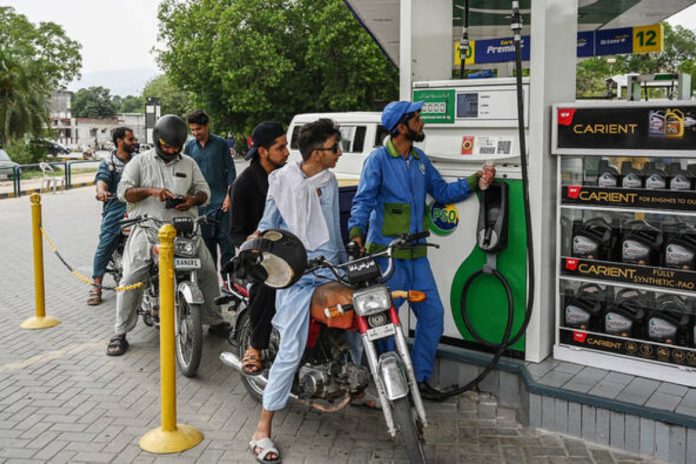
The Sindh government has decided to continue its flagship motorcycle fuel subsidy program, providing ongoing support to thousands of commuters affected by rising fuel costs.
A spokesperson for Chief Minister Murad Ali Shah confirmed that the provincial cabinet has extended the “Peoples Motorcycle Fuel Subsidy Program” until May 31, 2026. The cabinet has also approved the release of Rs2 billion to fund payments for the month of May.
Officials told the cabinet that over 548,000 people are already benefiting from the scheme. So far, Rs1.096 billion has been distributed to eligible motorcycle owners across the province.
The program was introduced at a time of high inflation and increasing petrol prices, to reduce the financial strain on low- and middle-income commuters. This is particularly important in cities like Karachi, where motorcycles are a primary mode of daily transport.
In recent months, fuel prices in Pakistan have continued to fluctuate due to changes in the global oil market and pressure on the local currency. In response, both federal and provincial authorities have introduced relief measures to support the public.
Read Also: Punjab govt to launch satellite internet service
Motorcycles remain the most common and affordable transport option in the country, used by millions for everyday travel. Because of this, initiatives like Sindh’s subsidy program are seen as an important way to help people manage expenses while keeping cities moving.
The subsidy itself is designed as a targeted cash assistance program for motorcycle users, who make up a large portion of commuters. Under the scheme, each registered motorcycle owner receives Rs2,000 per month, which covers roughly 20 litres of petrol. This works out to about Rs100 per litre in support. Payments are transferred directly to beneficiaries’ bank accounts after verification.
Chief Minister Murad Ali Shah introduced the program in April 2026 following a sharp rise in petrol prices that had pushed commuting costs significantly higher.