


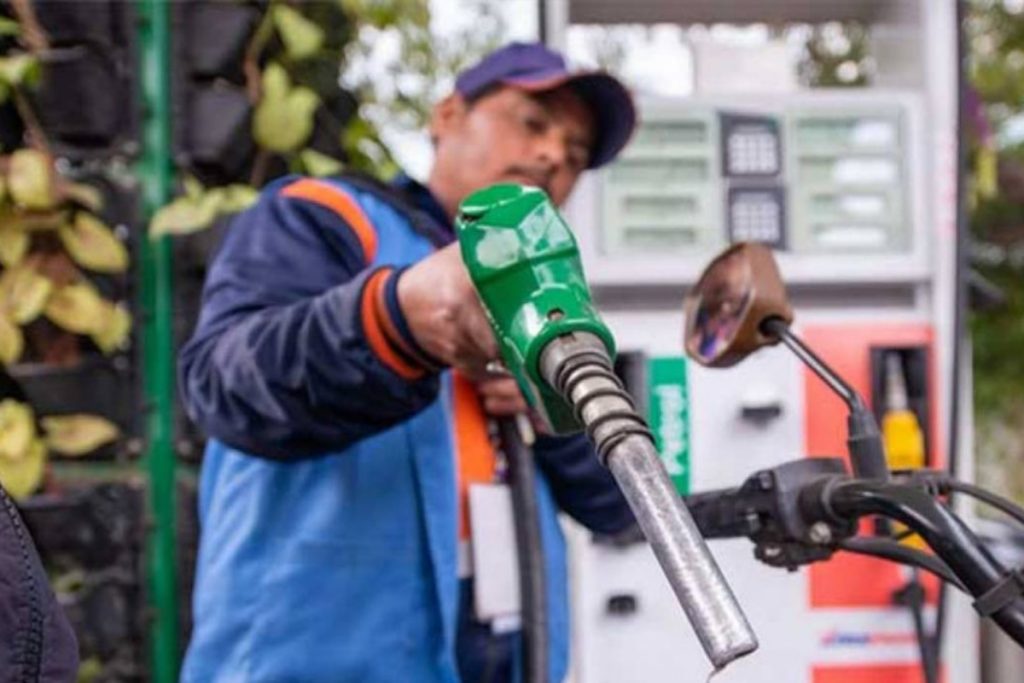
Pakistan has once again seen a major increase in fuel prices after the federal government approved new rates under the latest fortnightly revision.
According to an official notification issued on the recommendation of OGRA, petrol prices have been raised by Rs14.92 per litre, while high-speed diesel (HSD) has increased by Rs15 per litre.
The revised prices came into effect from 9 May 2026 and will remain in place for the next fortnight.
Following the increase, petrol prices have gone up from Rs399.86 to Rs414.78 per litre, while HSD has risen from Rs399.58 to Rs414.58 per litre.
This marks the third straight increase in fuel prices, after petrol became costlier by Rs. 33.28 and diesel by Rs46.39 during the previous two revisions.
Read Also: New private airline to launch operations in Pakistan this June
In Pakistan, fuel prices are reviewed every 15 days under a system linked with international oil market trends.
While the mechanism is designed to match global oil prices, these frequent hikes continue to put pressure on inflation and household expenses across the country.
Meanwhile, global oil prices moved up by more than 1% after fresh tensions between the United States and Iran raised concerns over the stability of the ceasefire and the future of shipping through the Strait of Hormuz, an important route for global oil and gas supplies.
Brent crude futures increased by $1.41, or 1.41%, reaching $101.47 per barrel at 0123 GMT. At the same time, US West Texas Intermediate (WTI) crude gained $1.12, or 1.18%, to trade at $95.93 per barrel. Earlier in the session, oil prices had jumped by more than 3%.
The increase in petrol and diesel prices directly affects people’s daily lives because fuel plays a central role in transportation, production, and supply chains.
As fuel becomes more expensive, travel costs rise immediately for households, particularly for daily wage earners and middle-income families who depend on motorcycles, buses, rickshaws, and private vehicles for commuting. As a result, families are left with less money to spend on necessities such as food, rent, education, and healthcare.