


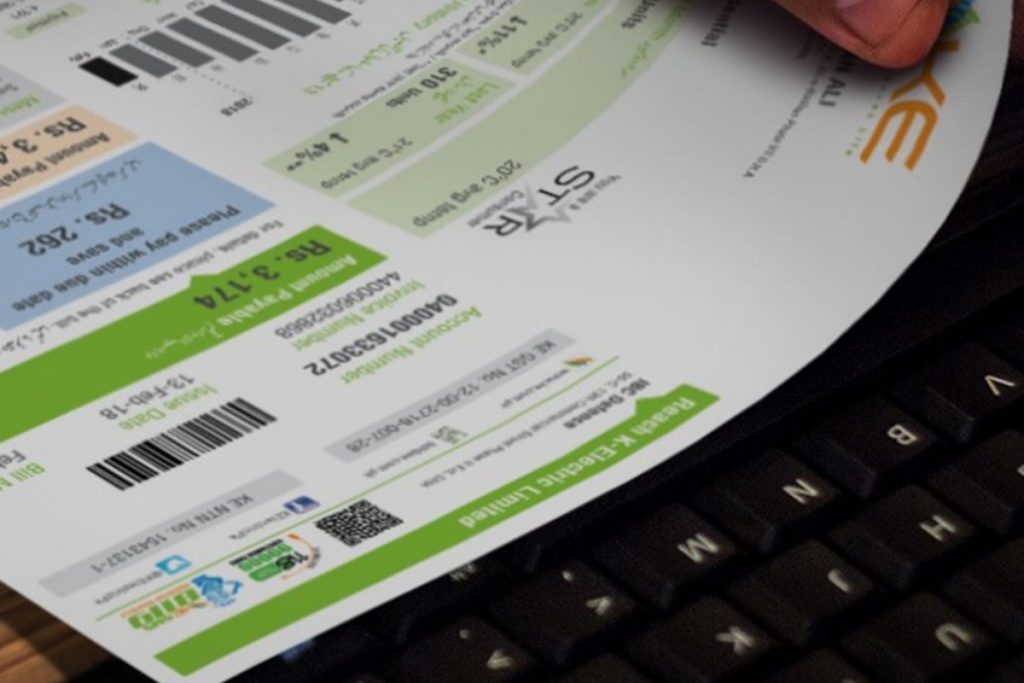
The Power Division has barred electricity distribution companies (DISCOs) from issuing manual detection bills, warning that officials responsible for excessive, arbitrary or incorrect billing will face strict disciplinary action.
Federal Minister for Energy (Power Division) Sardar Awais Ahmad Khan Leghari issued the orders after taking notice of complaints about excessive and unjustified detection bills being charged to electricity consumers across the country.
According to a Power Division statement released on Friday, October 23, 2026, all DISCOs are now required to generate detection bills through a centralised online portal developed by the Power Information Technology Company (PITC).
Under the new instructions, field staff and sub-divisional officers (SDOs) will no longer be permitted to prepare or issue detection bills manually. Officials found violating the directive will face disciplinary proceedings, which could lead to major penalties.
During a meeting with the boards of directors of DISCOs, Leghari called for a comprehensive reform framework to safeguard consumers while maintaining efforts to prevent electricity theft.
He said tackling power theft remained a national priority, but consumers should not face unjustified financial burdens due to arbitrary billing practices.
Read Also: Punjab govt announces new dates for Lahore Basant 2027
Proposed Changes to Detection Billing Rules
The Power Division is also planning to propose amendments to the Consumer Service Manual (CSM) to establish clear timelines for meter replacement and billing adjustments.
The proposed changes include the following measures:
- Faulty or burnt meters: Meters would have to be replaced immediately or within a maximum of two billing cycles. Average billing would be limited to two months.
- Fast or slow meters: Recovery or credit adjustments would be restricted to the previous two billing cycles.
- Illegal electricity use: Detection bills for general consumers would be limited to three billing cycles.
- Registered consumers: Detection billing would be capped at a maximum period of six months.
- Unregistered consumers: Detection billing would be limited to a maximum of 12 months.
The proposed changes aim to bring greater consistency to detection billing and reduce the risk of consumers being charged excessive amounts.
However, these measures are still at the proposal stage. They will only become formal rules once the relevant amendments are approved and officially notified.