


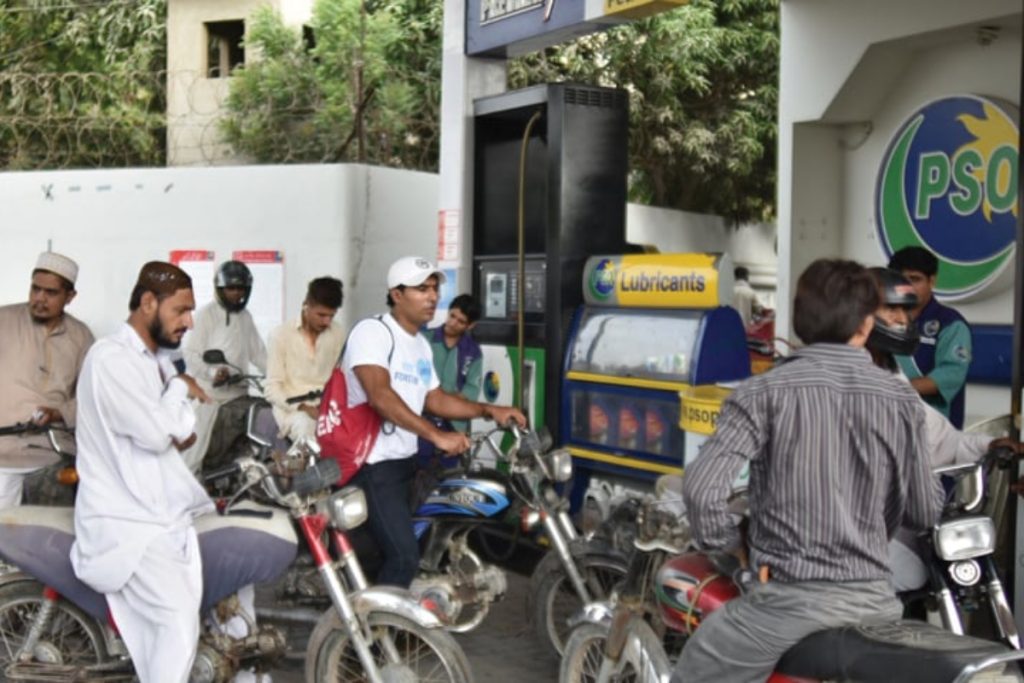
Oil companies have raised serious concerns over a potential fuel shortage following a new policy introduced by the Sindh government.
The Oil Marketing Association of Pakistan (OMAP) warned that the imposition of a 1.85% Infrastructure Cess and the requirement of a mandatory bank guarantee could disrupt petroleum imports within days.
In a letter to Federal Minister for Energy Ali Pervaiz Malik, OMAP Chairman Tariq Wazir Ali urged urgent federal action, saying the Sindh Excise Department’s decision could choke the country’s oil supply chain.
The association noted that the new bank guarantee requirement would tie up the working capital of oil marketing companies (OMCs) already struggling with delayed refunds, foreign exchange losses, and low profit margins.
“The new cess regime will make it nearly impossible for OMCs to sustain import operations,” the letter stated, warning that Pakistan could face severe disruptions in petroleum supplies if the policy is not reversed.
Industry insiders said the new charges would add around Rs2.5 to Rs3 per litre to fuel costs, an increase that cannot be transferred to consumers due to regulated pricing. With tight cash flow and limited credit, companies are finding it difficult to maintain fuel stocks, sparking fears of shortages if shipments face delays at Karachi Port.
The Oil Companies Advisory Council (OCAC) issued a similar warning, reporting that several petroleum cargoes are stranded at Karachi ports due to the sudden enforcement of a 100% bank guarantee under the Infrastructure Development Cess. These include shipments for PSO, HPL, and Parco awaiting customs clearance.
Industry representatives have urged the Energy Ministry to coordinate with the Sindh government and the Federal Board of Revenue (FBR) to resolve the issue quickly. They warn that further delays could cause nationwide fuel shortages, disrupt transport and logistics, and affect the agricultural sector.
“The situation demands urgent intervention to ensure energy security and economic stability,” OMAP emphasized, cautioning that failure to act could lead to a full-blown petroleum supply crisis.