


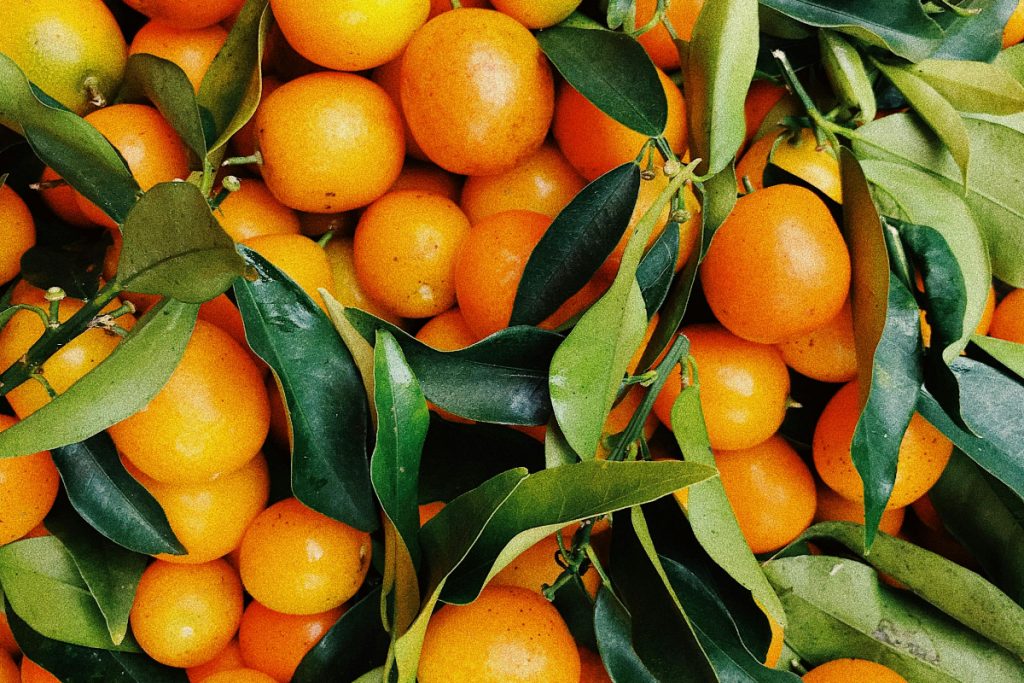
Pakistan has begun kinnow exports for the current season, with the Pakistan Fruit and Vegetable Exporters, Importers and Merchants Association (PFVA) targeting 300,000 tonnes, expected to earn $110 million in foreign exchange.
Since December 1, around 6,000 tonnes have already been shipped to the Middle East, Sri Lanka, and the Philippines.
Last year, the country exported 250,000 tonnes of kinnow, earning $95 million. Despite this season’s higher output of 2.7 million tonnes, up from 1.7 million tonnes last year, exports are still nearly 50 percent below the 550,000 tonnes shipped five years ago.
PFVA Patron-in-Chief Waheed Ahmed attributed the decline to “zero investment in R&D” and the failure to introduce new, climate-resilient citrus varieties. He said the association has submitted short, medium, and long-term plans to the government, which could raise citrus exports to $400 million within five years if implemented.
Ahmed added that Pakistan needs to start cultivating new varieties from Egypt, the US, Morocco, and China, along with low-water citrus types such as lemon, grapefruit, orange, and mandarin, which are in strong global demand.
The broader citrus sector has long faced similar challenges. In Dir Upper and Lower, once known for honey-flavoured oranges called “nature’s candy,” orchards are shrinking as rising population and land prices push growers out.
Only about 300 acres of Dir’s oranges remain, with traders often selling Punjab-grown fruit under the Rabat label to meet demand.
Agriculture officials note that Dir oranges, grown organically without pesticides or urea, highlight both Pakistan’s citrus potential and the consequences of neglecting scientific farming.
Ahmed warned that logistics continue to be a major challenge for kinnow exports. With trade through Afghanistan suspended, overland access to Central Asia and Russia is blocked, forcing exporters to take longer and costlier routes through Iran, where freight charges have already doubled this season.
He urged the government to implement a national citrus strategy, invest in R&D, and speed up the adoption of modern irrigation systems as water shortages become more severe.